Discover Azai Hand Roll Sushi
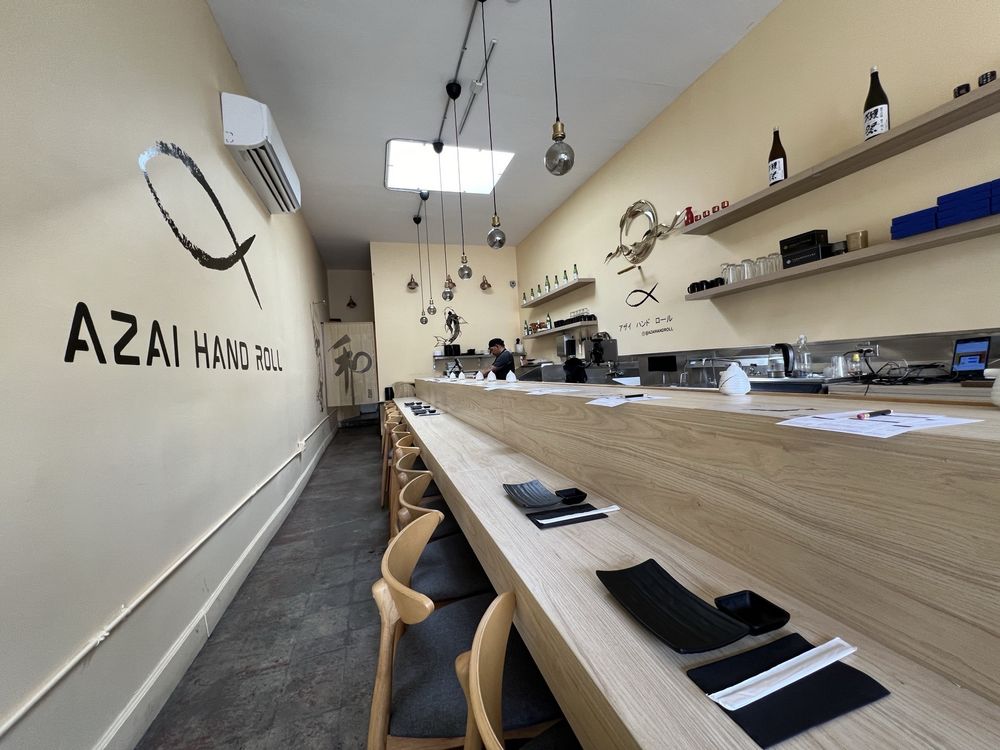
Walking into Azai Hand Roll Sushi for the first time, I remember the quiet confidence of the room more than anything else. It’s tucked along 8036 W 3rd St, Los Angeles, CA 90048, United States, and it doesn’t shout for attention. Instead, it pulls you in with the soft hum of conversation, the clink of ceramic plates, and the unmistakable aroma of warm rice and toasted nori coming straight from the counter. I’ve eaten a lot of sushi around Los Angeles, from flashy omakase rooms to casual neighborhood spots, and this place sits comfortably in that sweet middle ground where quality leads and ego stays out of the way.
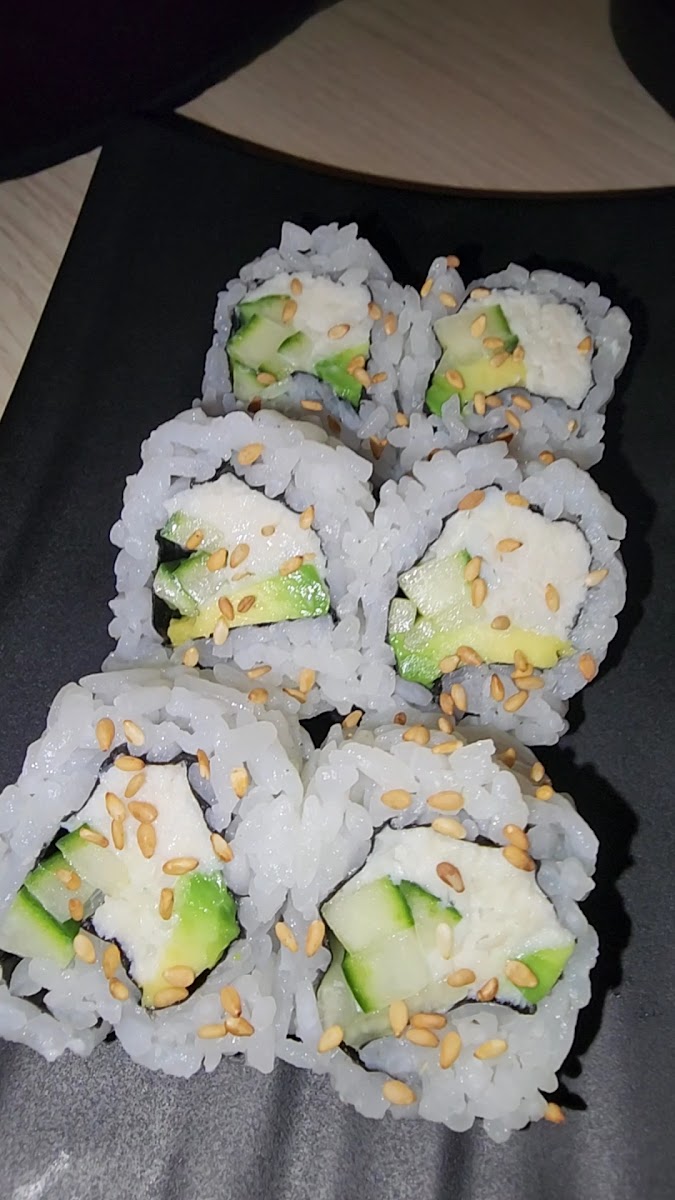
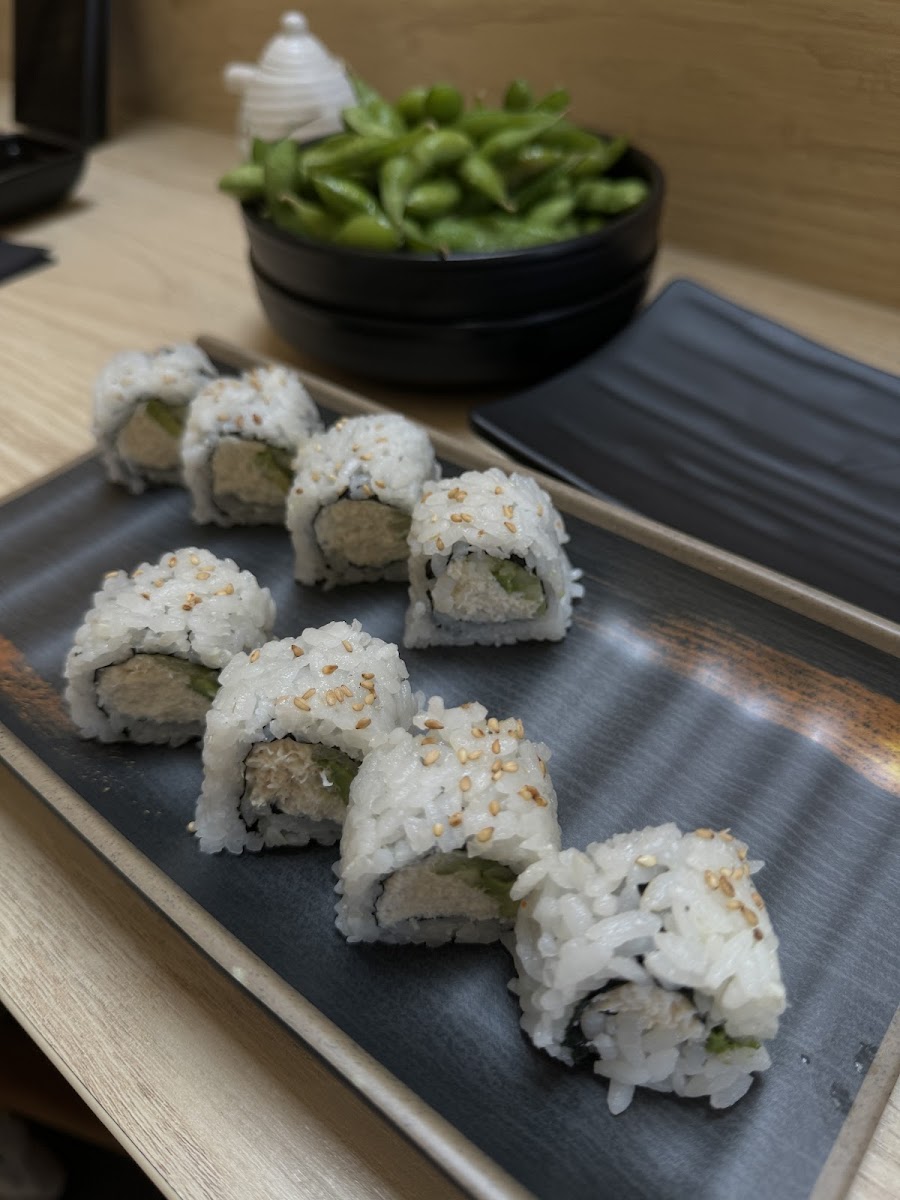
The menu is built around hand rolls, served one by one, which matters more than most people realize. When sushi rice sits too long, its texture changes, and the seaweed loses its snap. Here, each roll arrives seconds after being assembled, still warm, still crisp. That’s not an accident. According to culinary guidelines taught by organizations like the Japanese Culinary Academy, temperature contrast and timing are key to preserving flavor balance in sushi. You can taste that philosophy at work in every bite.
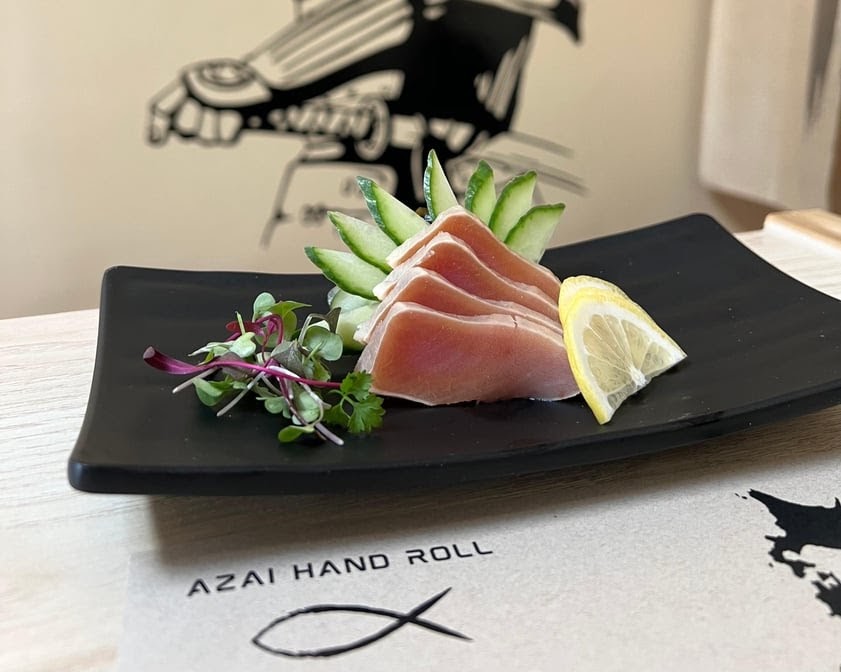
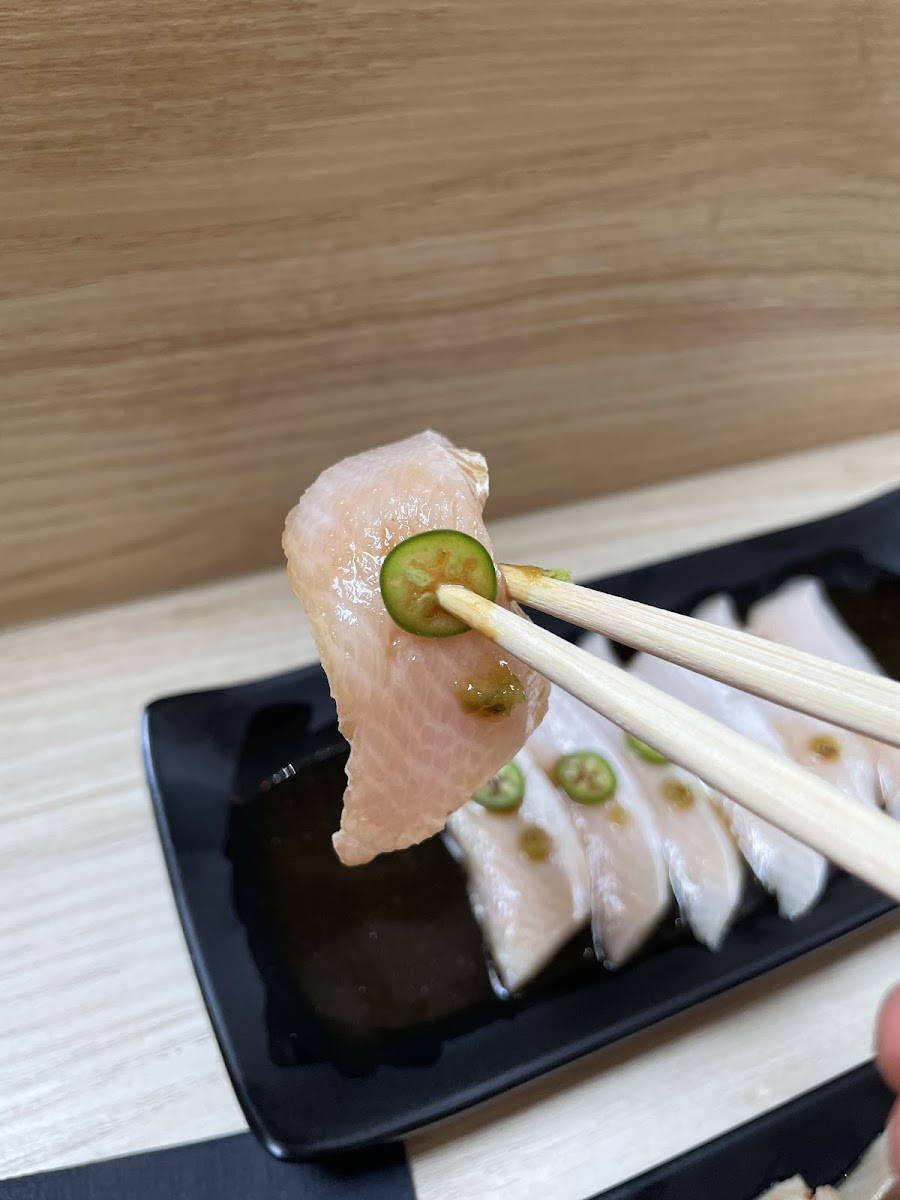
One of the rolls that stuck with me was the toro hand roll. The fish had that clean, buttery feel that melts almost instantly, balanced by rice seasoned just enough to lift the flavor instead of masking it. A chef once explained to me that properly seasoned sushi rice should never compete with the fish; it should act like a frame around a painting. That idea shows up clearly here. Even something as simple as a yellowtail roll feels intentional, not rushed or overworked.
I’ve brought friends here who were new to hand rolls, and the reactions were always the same. They’d expect something heavy or filling, then be surprised by how light and satisfying the experience feels. There’s real science behind that sensation. Studies published by food research groups affiliated with universities like UC Davis have shown that fresh seafood paired with moderate portions of rice can promote satiety without the post-meal sluggishness people often associate with dining out. You don’t need to know the data to feel it, but it helps explain why you leave comfortable instead of stuffed.
Reviews often mention consistency, and that’s something I noticed across multiple visits. Whether it was a busy weekend evening or a quieter weekday night, the quality didn’t waver. The chefs work in full view, which adds a layer of trust. You see the fish being handled carefully, sliced with precision, and stored properly. The FDA’s seafood handling guidelines emphasize temperature control and cleanliness, and from a diner’s perspective, everything here aligns with those standards.
Beyond the food, the location plays its own role. Being on West 3rd Street puts it close to shopping, galleries, and other restaurants, but it still feels like a destination rather than a stopover. I’ve overheard conversations from locals who treat it as a regular spot and visitors who discovered it through word of mouth. That mix usually signals a place doing something right.
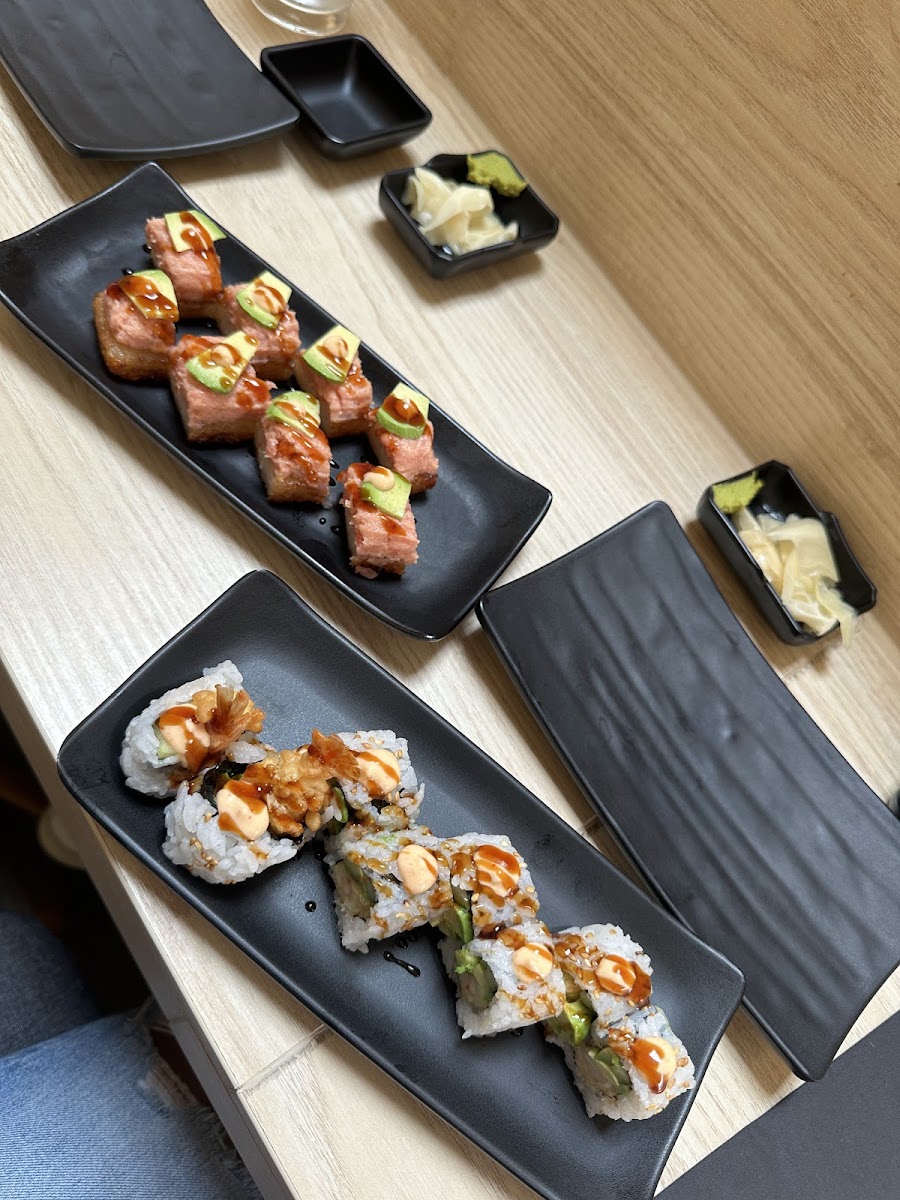
There are limitations worth noting. Seating is counter-focused, so large groups may feel cramped, and the menu stays intentionally narrow. If you’re looking for elaborate rolls drenched in sauce, this may not be your place. But that restraint is also the point. The focus stays on fresh fish, balance, and technique, which aligns with traditional hand roll culture in Japan and modern interpretations seen in respected sushi bars across the country.
What stands out most is how approachable everything feels. You don’t need to be a sushi expert to enjoy it, yet there’s enough depth for someone who cares about sourcing, preparation, and craft. That balance is hard to pull off, and it’s why this spot keeps coming up in conversations about reliable sushi in Los Angeles. Every visit feels grounded, honest, and quietly confident, which is exactly what keeps me coming back.